Blog > Emerging Trends > Psychedelic-Assisted Therapy: A Clinical Guide for Behavioral Health Practitioners
Psychedelic-Assisted Therapy: Clinical Best Practices, Documentation, and Patient Selection
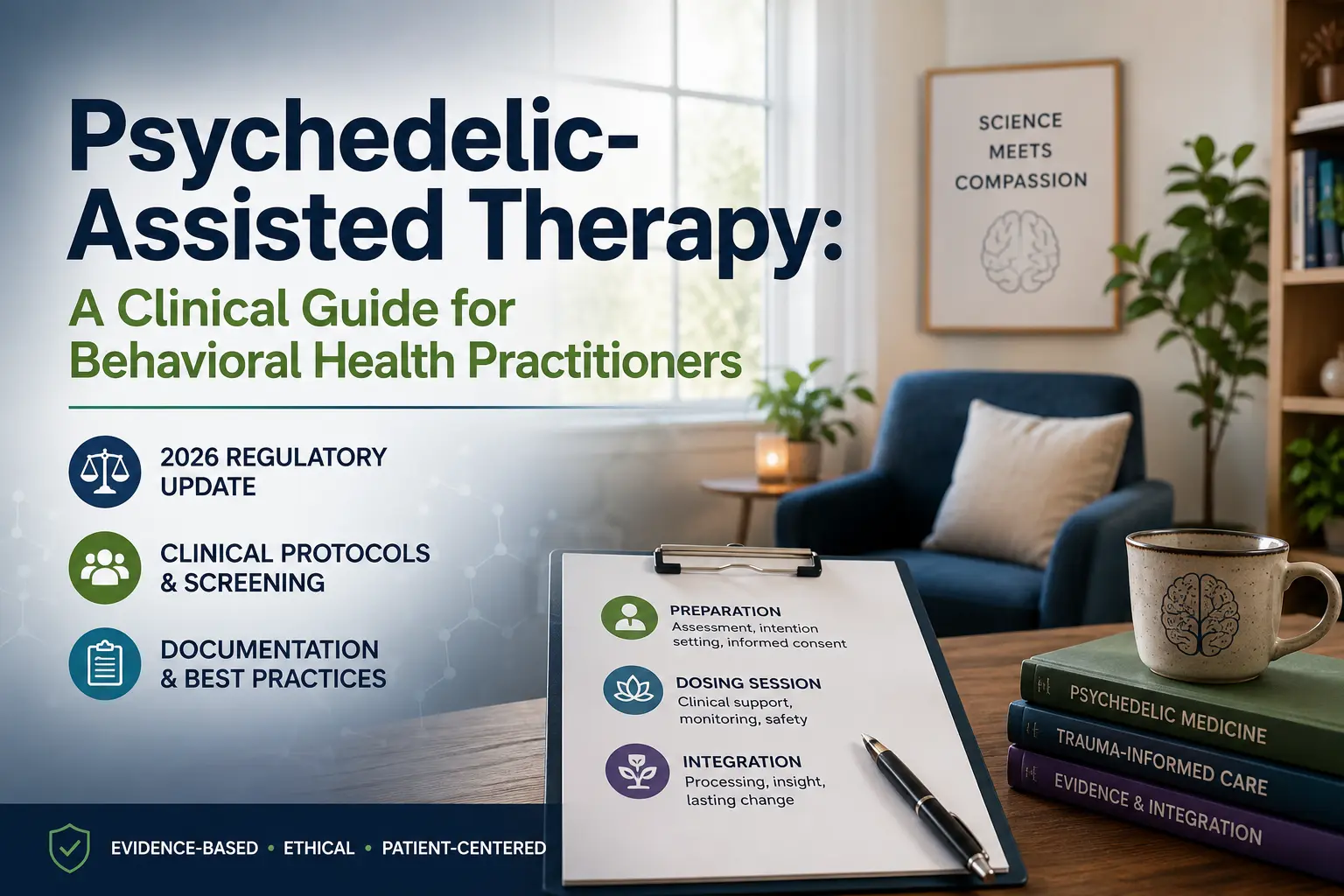
Psychedelic-assisted therapy is rapidly emerging as a promising treatment approach for conditions such as depression, PTSD, substance use disorders, and treatment-resistant mental illness. As research expands and state-level regulations evolve, behavioral health clinicians are increasingly exploring how psychedelic-assisted psychotherapy can be integrated into clinical practice. This guide examines the latest evidence on psilocybin, ketamine, MDMA, and other psychedelic therapies, including patient selection, safety considerations, treatment protocols, documentation requirements, and legal considerations. Learn how to implement evidence-based psychedelic-assisted therapy while maintaining compliance, improving clinical outcomes, and supporting effective treatment planning and documentation.


Last Updated: June 15, 2026

What You'll Learn
- What psychedelic-assisted therapy is and how it differs from traditional psychotherapy
- The current legal and regulatory landscape for psychedelic therapies in the United States
- The evidence supporting psilocybin, ketamine, MDMA, and other emerging psychedelic treatments
- Which patients may be appropriate candidates for psychedelic-assisted therapy—and who may not be
- How psychedelic therapy can be integrated with CBT, DBT, ACT, and other evidence-based treatment approaches
- The three phases of psychedelic-assisted therapy: preparation, dosing, and integration
- Potential risks, contraindications, and ethical considerations clinicians should understand
- Best practices for documenting psychedelic-assisted therapy sessions, including preparation, dosing, and integration notes
- HIPAA and compliance considerations for psychedelic therapy documentation
- How behavioral health clinicians can prepare their practice for emerging psychedelic treatment models
Contents
What Is Psychedelic-Assisted Therapy and How Does It Work?
Is Psychedelic-Assisted Therapy Legal? Current Federal and State Regulations
What Psychedelic Therapy Services Can Clinicians Currently Offer?
Research on Psychedelic-Assisted Therapy: What the Evidence Shows
Who Is a Good Candidate for Psychedelic-Assisted Therapy?
Risks and Contraindications of Psychedelic-Assisted Therapy
The Three Phases of Psychedelic-Assisted Therapy
Psychedelic Therapy Documentation Requirements for Clinicians
Frequently Asked Questions About Psychedelic-Assisted Therapy
The psychedelic-assisted therapy landscape has changed more in the last 24 months than in the previous two decades. A federal executive order signed in April 2026, Oregon’s operational psilocybin facilitation program, Colorado’s first licensed healing centers, and an expanding body of clinical research have moved this from a fringe conversation to a legitimate clinical question for behavioral health practitioners across the country.
At the same time, the regulatory picture is nuanced. The FDA’s 2024 rejection of MDMA-assisted therapy for PTSD was a significant setback, and most psychedelics remain Schedule I at the federal level. Clinicians who want to engage with this treatment modality — or who simply need to understand it to better serve patients asking about it — require accurate, current information.
This guide is written for licensed behavioral health clinicians evaluating whether psychedelic-assisted therapy belongs in their practice. It covers what is legally available now, who is an appropriate candidate, how the clinical process works, what documentation is required, and where the evidence currently stands.
What is Psychedelic-Assisted Therapy and How Does It Work?
Psychedelic-assisted therapy is a treatment approach that combines the use of a psychedelic or psychedelic-adjacent substance with structured psychotherapy. Unlike traditional medication management, psychedelic-assisted therapy is designed to use the altered state of consciousness produced by the substance as a catalyst for therapeutic work. The medication itself is not considered the treatment; rather, the therapeutic process surrounding the experience is what helps patients explore thoughts, emotions, memories, and behavioral patterns that may contribute to ongoing mental health challenges.
Interest in psychedelic-assisted therapy has grown rapidly in recent years due to promising research involving conditions such as treatment-resistant depression, post-traumatic stress disorder (PTSD), substance use disorders, and end-of-life anxiety. Compounds currently being studied or used in certain clinical settings include ketamine, psilocybin, MDMA, and ibogaine. While each substance has unique pharmacological effects, most psychedelic treatment models follow a similar therapeutic framework.
Psychedelic-assisted therapy is typically structured around three phases:
- Preparation – The clinician conducts screening and assessment, reviews informed consent, establishes therapeutic goals, and helps the patient prepare for the experience.
- Dosing or Administration – The patient receives the medication in a controlled environment while clinicians provide monitoring, support, and therapeutic presence as appropriate.
- Integration – Following the experience, the patient works with the clinician to process insights, address emotional reactions, and translate new perspectives into meaningful behavioral change.
Researchers believe psychedelic substances may temporarily increase neuroplasticity, reduce rigid patterns of thinking, and allow patients to access emotions and memories in ways that can support therapeutic progress. However, outcomes depend heavily on factors such as patient selection, clinical preparation, therapeutic support, and post-session integration. As a result, most experts view psychedelic-assisted therapy not as a standalone medication intervention, but as a comprehensive treatment process that combines biological, psychological, and relational elements of care.
Is Psychedelic-Assisted Therapy Legal? Current Federal and State Regulations
Three major developments have reshaped the federal and state regulatory environment for psychedelic-assisted therapy since 2022.
The April 2026 Executive Order
On April 18, 2026, President Trump signed an executive order titled “Accelerating Medical Treatments for Serious Mental Illness,” directing federal agencies to expedite research, review, and approval of psychedelic drugs for serious mental health conditions. Key provisions include:
- Directing the FDA to prioritize Commissioner’s National Priority Vouchers for psychedelic drugs with existing Breakthrough Therapy Designations
- Instructing the FDA and DEA to establish Right to Try pathways for eligible patients to access psychedelic drugs outside of clinical trials
- Allocating $50 million for federal and state-level research into ibogaine for opioid use disorder, PTSD, and traumatic brain injury
- Fast-tracking FDA review of psilocybin, MDMA, LSD, and ibogaine
Important: What the Executive Order Does NOT Do
The April 2026 executive order does not change the Schedule I classification of most psychedelics, does not require insurance coverage, and does not address clinician training or scope of practice. Practical clinical access outside of Oregon, Colorado, and approved clinical trials remains legally restricted. Clinicians should not interpret this order as a green light to prescribe or administer Schedule I substances.
Consult with a healthcare attorney familiar with your state’s laws before incorporating psychedelic-assisted therapy into your practice.
The FDA's 2024 Rejection of MDMA-Assisted Therapy
In August 2024, the FDA issued a Complete Response Letter (CRL) to Lykos Therapeutics (formerly MAPS PBC), declining to approve MDMA-assisted therapy for PTSD. The FDA’s concerns centered on:
- Cardiovascular safety risks and inadequate monitoring protocols
- Functional unblinding in clinical trials — participants and therapists could tell who received MDMA, potentially inflating reported outcomes
- Insufficient documentation of abuse-related adverse events
- Ethical violations and data integrity concerns in published MAPS studies, several of which were subsequently retracted
A new Phase 3 clinical trial has been requested. For clinicians, this means MDMA-assisted therapy is available only through FDA-regulated clinical trials — not in standard clinical practice. Clinicians who believe MDMA-assisted therapy may benefit a patient should explore referral to active trial sites through ClinicalTrials.gov.
State-Level Progress
Oregon and Colorado have emerged as the first states with operational regulated access to psilocybin services:
- Oregon: Oregon’s psilocybin services program has been operational since 2023. House Bill 2387, effective January 1, 2026, allows licensed medical and mental health professionals to serve as psilocybin facilitators within the state-licensed framework, without risking discipline from their professional licensing boards. Clinicians must complete a state-approved training program.
- Colorado: Colorado’s regulated healing center model opened its first licensed facility — The Center Origin in Denver — in April 2025. Colorado’s law decriminalized psilocybin, DMT, ibogaine, and mescaline (excluding peyote) for personal use, and established a licensed therapeutic access framework.
- Other states: More than 22 states are currently considering legislation that would create research programs or regulated access frameworks for psychedelic-assisted therapy. The pace of legislation has accelerated following the 2026 executive order.
What Psychedelic Therapy Services Clinicians Can Clinicians Currently Offer
Although interest in psychedelic-assisted therapy has grown significantly, the services behavioral health clinicians can legally provide vary depending on the substance, state regulations, licensure, and practice setting. While most psychedelic compounds remain federally classified as Schedule I substances, several pathways already exist for clinicians who want to incorporate psychedelic-informed care into their practice. These range from ketamine-assisted psychotherapy and integration therapy to participation in state-regulated psilocybin programs and referrals to clinical trials. Understanding what is currently permitted — and where the legal and clinical boundaries exist—is essential before offering any psychedelic-related services.
Comparing Common Psychedelic-Assisted Therapies
Note: Legal status, clinical availability, and treatment protocols vary by state, setting, and regulatory framework. Clinicians should consult current federal and state guidance before offering or referring for psychedelic-assisted therapy.
Ketamine-Assisted Psychotherapy (KAP)
Ketamine is the most accessible legal option for most behavioral health clinicians today. It is classified as Schedule III, and esketamine (Spravato) was FDA-approved in 2019 for treatment-resistant depression and major depressive disorder with suicidal ideation. IV ketamine is widely used off-label for these indications.
Key considerations for KAP:
- Psychiatrists and other prescribers can prescribe ketamine and esketamine within standard scope of practice
- Spravato must be administered in a certified healthcare setting with 2-hour patient monitoring; it has defined CMS coverage for eligible patients
- IV ketamine infusion is typically self-pay; CPT codes 96365/96366/96374 apply for administration billing
- The AMA introduced Category III CPT codes 0820T–0823T to track psychedelic-assisted therapy sessions — these are not yet reimbursable but signal the field’s direction
- Therapists providing the psychotherapy component of KAP bill standard psychotherapy codes for their sessions
Psilocybin Facilitation (Oregon and Colorado)
Licensed clinicians in Oregon and Colorado who complete state-required training can provide psilocybin services within the licensed healing center framework. Services occur in state-licensed facilities, not in clinical offices. Practitioners considering this path should contact the Oregon Health Authority or Colorado Department of Regulatory Agencies for current licensing requirements.
Integration Therapy
Integration therapy refers to licensed mental health services that help patients process, contextualize, and apply insights from psychedelic experiences. There are no legal barriers to providing integration therapy. Patients may have had psychedelic experiences in Oregon, Colorado, other countries, or as part of a clinical trial. Integration work is standard outpatient psychotherapy, billed with the same codes. In some cases, integration therapy may be appropriate via secure telehealth, depending on state regulations, patient needs, and clinical judgment.
This is an immediately accessible clinical entry point for virtually any licensed behavioral health clinician.
Clinical Trial Referrals
Clinicians outside Oregon and Colorado who have patients likely to benefit from psilocybin or MDMA-assisted therapy can refer to ongoing clinical trials. ClinicalTrials.gov maintains a current registry of active studies. COMPASS Pathways, Usona Institute, and several academic medical centers are actively recruiting for psilocybin studies.
Free Clinician Resource
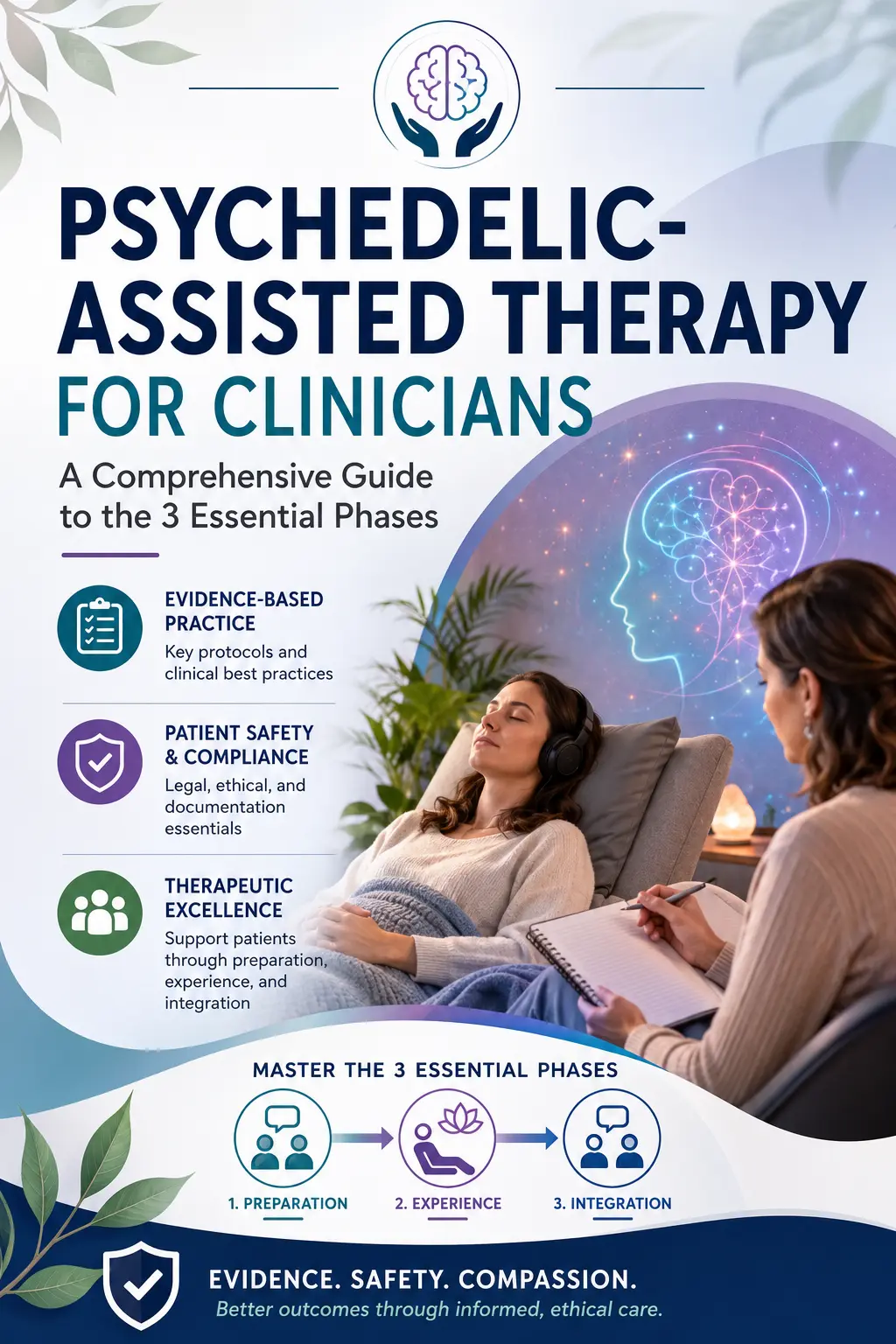
Download the Psychedelic-Assisted Therapy Guide for Clinicians
Get a practical guide to the three essential phases of psychedelic-assisted therapy, including preparation, dosing, integration, patient safety, documentation, and ethical care considerations.
- Understand the preparation, dosing, and integration framework
- Review safety, compliance, and documentation considerations
- Support evidence-informed, patient-centered clinical decision-making
Research on Psychedelic-Assisted Therapy: What the Evidence Shows
Research into psychedelic-assisted therapy has expanded dramatically over the past decade, with several compounds showing promise for conditions that have historically been difficult to treat. While ketamine and esketamine are already available in clinical practice, other therapies — including psilocybin and MDMA — remain under investigation through FDA-regulated clinical trials and state-regulated programs. Although the quality and quantity of evidence vary by substance and indication, recent studies have produced encouraging results for depression, PTSD, substance use disorders, and end-of-life distress. The following overview summarizes where the evidence currently stands and what behavioral health clinicians should know about the most studied psychedelic therapies.
Psilocybin for Depression
Psilocybin-assisted therapy has the most robust and rapidly growing evidence base of any psychedelic compound in clinical research. A 2024 dose-response network meta-analysis of randomized placebo-controlled trials published in the European Neuropsychopharmacology journal found significant reductions in Montgomery-Åsberg Depression Rating Scale (MADRS) scores across psilocybin-treated groups. In higher-dose conditions combined with supportive psychotherapy, approximately 58% of participants achieved depression remission at 12-month follow-up.
Researchers at Johns Hopkins and NYU have consistently found that psilocybin-assisted therapy produces rapid, durable antidepressant effects, particularly in treatment-resistant major depressive disorder. A 2024 pilot RCT of psilocybin therapy specifically for frontline clinicians experiencing depression found significant symptom reductions at 28-day follow-up, suggesting benefits even in highly functioning, trauma-adjacent populations.
Psilocybin for PTSD
In 2025, COMPASS Pathways published Phase 2 results for COMP360 psilocybin in PTSD. A single 25mg dose was well-tolerated, with no serious adverse events reported. The study found rapid improvement in PTSD symptoms from baseline that remained durable through 12-week follow-up — a result that distinguishes it from typical antidepressant timelines.
Psilocybin for Alcohol Use Disorder
A multisite trial led by NYU researchers found that psilocybin combined with motivational enhancement therapy significantly reduced alcohol consumption in participants with alcohol use disorder. Approximately half of participants achieved total abstinence following treatment, a rate substantially higher than in active placebo-controlled conditions.
MDMA for PTSD
Phase 3 MAPS trials demonstrated that 67% of participants receiving MDMA-assisted therapy no longer met criteria for PTSD at study end, compared to 32% in the placebo group. Despite these promising efficacy results, the FDA’s 2024 Complete Response Letter identified methodological and safety concerns that require resolution before approval. MDMA-assisted therapy remains in clinical trials. Clinicians evaluating psychedelic-assisted approaches for PTSD treatment should use validated measures and careful follow-up.
Ketamine and Esketamine
FDA-approved esketamine (Spravato) has a well-established evidence base for treatment-resistant depression and MDD with suicidal ideation. Rapid antidepressant effects typically begin within hours to days of administration, providing a meaningful option for patients who have failed multiple antidepressant trials. This is the only psychedelic-adjacent treatment currently covered by major payers.
Ibogaine
Ibogaine is generating significant research interest for opioid use disorder and PTSD. Early observational data from treatment programs in Mexico and other countries where it is legal show striking reductions in opioid withdrawal symptoms and sustained abstinence. The 2026 executive order’s $50 million research investment will fund FDA-regulated trials. Ibogaine carries significant cardiac risk (QT prolongation), requiring medical monitoring that limits its outpatient applicability without significant infrastructure.
Who is an Appropriate Candidate for Psychedelic-Assisted Therapy?
Careful patient selection is essential for safety and efficacy. The APA has published resources and planned a 2025 toolkit for mental health professionals covering contraindications, ethics, and models of care. The following criteria reflect current clinical consensus:

Populations Most Likely to Benefit
- Treatment-resistant depression (≥2 adequate antidepressant trials without adequate response)
- PTSD, particularly treatment-resistant or trauma associated with substance use
- Alcohol and other substance use disorders
- Existential anxiety and depression in terminal illness
- Eating disorders, particularly anorexia nervosa (emerging psilocybin evidence)
Absolute Contraindications
The following conditions represent general contraindications based on current evidence. Clinicians should evaluate each case individually and consult relevant clinical guidelines:
- Personal or first-degree family history of schizophrenia, schizoaffective disorder, or other psychotic disorders
- Bipolar I disorder (elevated risk of mania induction with serotonergic agents)
- Active suicidal ideation with plan or intent
- Current use of monoamine oxidase inhibitors (serotonin syndrome risk with psilocybin and MDMA)
- Pregnancy or breastfeeding
- Cardiac conduction abnormalities, particularly QT prolongation (critical for ibogaine and MDMA protocols)
Conditions Requiring Careful Evaluation
- Bipolar II disorder (case-by-case consideration with close monitoring)
- Current lithium use (case reports of seizure interactions with psilocybin)
- Cardiovascular conditions (especially relevant for MDMA and ibogaine)
- History of severe anxiety, panic disorder, or trauma with prominent dissociation
- Personality disorders with poor reality testing or impulse control
Pre-Treatment Assessment
A comprehensive pre-treatment evaluation should include:
- Full psychiatric evaluation including personal and family psychiatric history
- Medical history and complete medication reconciliation
- Cardiac screening where protocol-indicated (especially MDMA and ibogaine)
- Standardized baseline symptom measures (PHQ-9, PCL-5, AUDIT, or other validated tools). Baseline symptom tracking, such as a standardized depression assessment, can help clinicians monitor response over time.
- Detailed informed consent documentation covering the substance, dosing protocol, legal context, potential adverse experiences, and aftercare plan
Risks and Contraindications of Psychedelic-Assisted Therapy
Although psychedelic-assisted therapy has shown promise for several behavioral health conditions, it is not appropriate for every patient and is not without risks. Clinical outcomes depend heavily on proper patient screening, preparation, monitoring, and integration. Behavioral health clinicians should understand both the potential benefits and the limitations of psychedelic treatment models, including psychological risks, medical contraindications, adverse reactions, and legal considerations. Careful assessment and ongoing monitoring remain essential components of safe and ethical psychedelic-assisted therapy.
Common Short-Term Side Effects
Most psychedelic substances can produce temporary physical and psychological side effects during or shortly after treatment. Common short-term effects may include nausea, dizziness, headache, elevated heart rate, increased blood pressure, anxiety, confusion, emotional distress, or changes in sensory perception. While these effects are often transient and resolve without intervention, clinicians should prepare patients for the possibility of discomfort and establish appropriate monitoring protocols. The intensity and duration of side effects vary based on the substance, dosage, individual patient factors, and treatment setting.
Psychological Risks
Psychedelic experiences can be emotionally intense and unpredictable. Even in well-controlled therapeutic settings, some patients experience fear, panic, grief, emotional overwhelm, or the emergence of traumatic memories. Difficult experiences do not necessarily indicate treatment failure and may become therapeutically meaningful when processed appropriately during integration. However, clinicians should clearly communicate that preparation and therapeutic support reduce — but do not eliminate — the risk of psychological distress during sessions.
In rare cases, psychedelic substances may also trigger psychotic symptoms or episodes in susceptible individuals. Patients with a personal or family history of psychotic disorders, schizophrenia spectrum disorders, or Bipolar I Disorder generally require heightened caution and are often considered poor candidates for psychedelic-assisted therapy.
Contraindications and Medical Safety Considerations
Careful patient screening is one of the most important safeguards in psychedelic-assisted therapy. Contraindications may include psychotic disorders, active mania, uncontrolled hypertension, certain cardiovascular conditions, pregnancy, and medications that could interact with the psychedelic substance being considered.
Some compounds carry unique medical risks that require specialized oversight. MDMA-assisted therapy may involve cardiovascular stress, elevated body temperature (hyperthermia), and post-session mood disturbances related to serotonin depletion. Ibogaine presents particularly significant cardiac risks, including QT prolongation and potentially life-threatening arrhythmias. Because of these risks, ibogaine treatment generally requires medical monitoring capabilities that extend beyond traditional behavioral health practice settings.
Hallucinogen Persisting Perception Disorder (HPPD)
Hallucinogen Persisting Perception Disorder (HPPD) is a rare but recognized condition involving persistent visual disturbances following the use of hallucinogenic substances. Symptoms may include visual trails, afterimages, halos around objects, geometric patterns, or other perceptual changes that continue after the acute effects of the substance have ended. Although uncommon, clinicians should educate patients about the possibility, monitor for ongoing perceptual disturbances during follow-up and integration sessions, and maintain appropriate referral pathways for further evaluation when necessary.
Legal and Ethical Considerations
The legal status of psychedelic-assisted therapy remains complex and continues to evolve. Most psychedelic substances remain federally classified as Schedule I drugs, although some states have established regulated access programs and several compounds are currently being studied in FDA-regulated clinical trials. Clinicians should not assume that growing public acceptance or emerging research equates to legal authorization to provide psychedelic treatment.
Using, facilitating, or recommending Schedule I substances outside of authorized state programs, approved research protocols, or other legally permitted settings may expose clinicians to significant legal, ethical, and professional risks. Before incorporating psychedelic-assisted therapy into practice, clinicians should obtain legal guidance, review applicable state regulations, verify scope-of-practice requirements, and ensure that informed consent procedures accurately reflect the current regulatory environment.
The Three Phases of Psychedelic-Assisted Therapy
Psychedelic-assisted therapy is not a standalone drug treatment — it is an integrated therapeutic model with three distinct phases, each requiring dedicated clinical attention and documentation.
Preparation
Establish safety, assess appropriateness, complete informed consent, and set therapeutic intentions before the dosing session.
Dosing Session
Provide supervised administration, therapeutic presence, safety monitoring, and contemporaneous clinical documentation.
Integration
Help the patient process the experience, connect insights to treatment goals, monitor symptoms, and update the care plan.
Psychedelic-assisted therapy is typically structured around preparation, dosing, and integration rather than a standalone medication session.
Phase 1: Preparation Sessions
Preparation sessions typically occur over two to four appointments prior to the dosing session. Clinical goals include:
- Establishing a strong therapeutic alliance and a container of psychological safety
- Educating the patient on the pharmacology of the substance, range of possible experiences, and how to work with difficult material that may arise
- Collaborating with the patient to set clear therapeutic intentions
- Reviewing contraindications, safety protocols, and integration plan
- Completing all required consent documentation
Phase 2: Dosing/Administration Session
The dosing session is the core treatment event. Session duration varies considerably by substance: ketamine sessions typically last 45–90 minutes; psilocybin sessions typically span 4–6 hours; MDMA sessions (in trial contexts) typically span 6–8 hours. Clinical responsibilities during the session include:
- Providing a safe, controlled, comfortable environment with appropriate supervision
- Monitoring patient safety throughout—vital signs where clinically indicated
- Offering therapeutic presence without interrupting the patient’s experience unless safety requires it
- Documenting substance, dose, route, administration time, monitoring observations, any adverse events, and session conclusion
Phase 3: Integration Sessions
Integration sessions begin as soon as 24–72 hours post-dosing and typically continue for two to six sessions. The integration phase is where the therapeutic work of psychedelic-assisted therapy is consolidated. Clinical focus includes:
- Helping the patient process, articulate, and make meaning of their experience
- Applying therapeutic frameworks (CBT, ACT, somatic, narrative, or others) to emerging themes
- Monitoring for adverse reactions including HPPD, mood changes, or psychotic symptoms
- Tracking symptom changes using baseline measures
- Revising treatment plan as needed based on integration progress
Psychedelic Therapy Documentation Requirements for Clinicians
Psychedelic-assisted therapy generates significantly more documentation complexity than standard outpatient sessions. Each phase requires distinct clinical records, and the legal context of the treatment adds compliance considerations not typical in conventional behavioral health documentation.
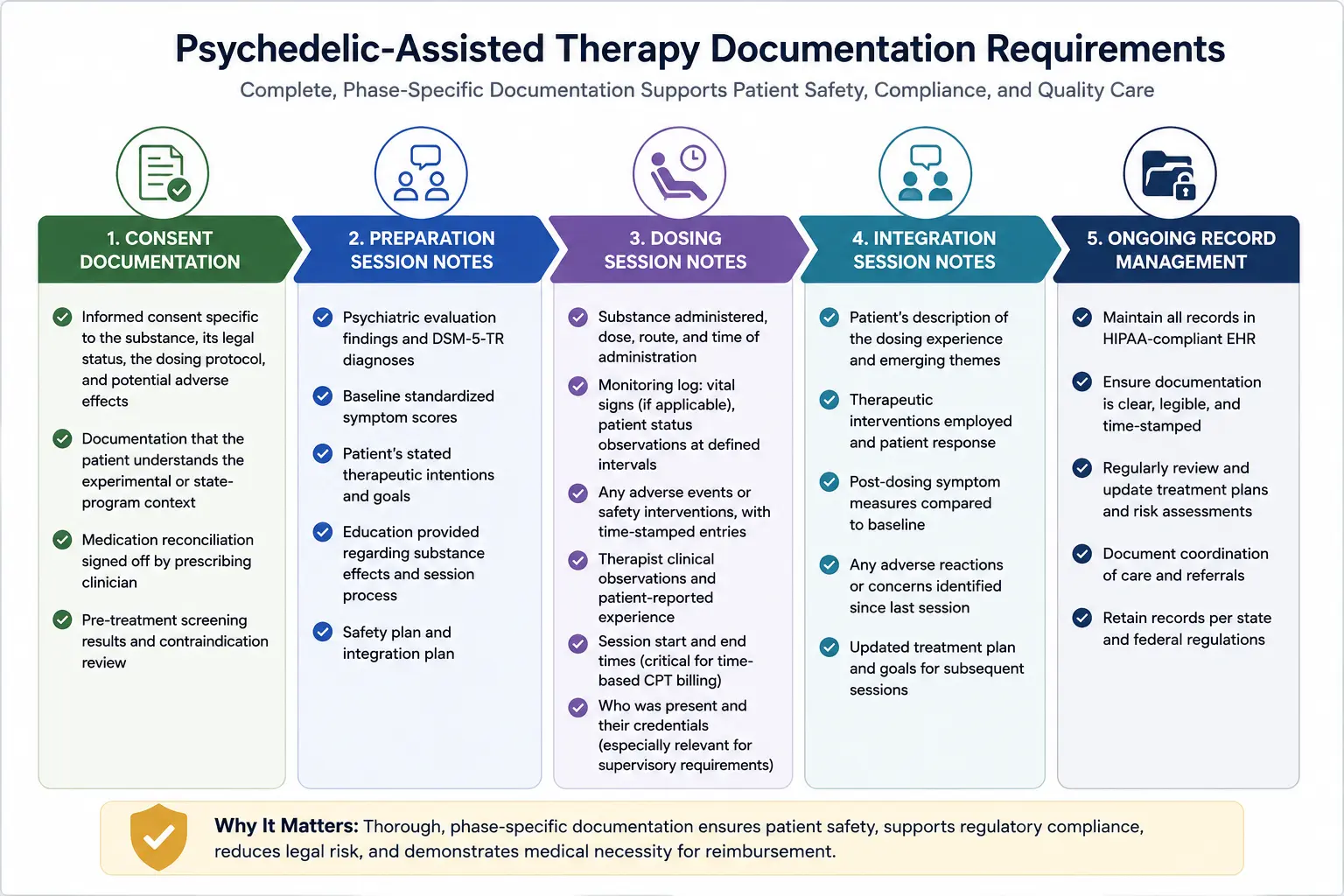
While the infographic above provides a high-level overview, each phase of psychedelic-assisted therapy requires its own documentation elements. The following sections outline the specific records clinicians should maintain to support patient safety, regulatory compliance, continuity of care, and medical necessity.
Consent Documentation
- Informed consent specific to the substance, its legal status, the dosing protocol, and potential adverse effects
- Documentation that the patient understands the experimental or state-program context
- Medication reconciliation signed off by prescribing clinician
- Pre-treatment screening results and contraindication review
Preparation Session Notes
- Psychiatric evaluation findings and DSM-5-TR diagnoses
- Baseline standardized symptom scores
- Patient’s stated therapeutic intentions and goals
- Education provided regarding substance effects and session process
- Safety plan and integration plan
Dosing Session Notes
- Substance administered, dose, route, and time of administration
- Monitoring log: vital signs (if applicable), patient status observations at defined intervals
- Any adverse events or safety interventions, with time-stamped entries
- Therapist clinical observations and patient-reported experience
- Session start and end times (critical for time-based CPT billing)
- Who was present and their credentials (especially relevant for supervisory requirements)
Integration Session Notes
- Patient’s description of the dosing experience and emerging themes
- Therapeutic interventions employed and patient response
- Post-dosing symptom measures compared to baseline
- Any adverse reactions or concerns identified since last session
- Updated treatment plan and goals for subsequent sessions
Why Your EHR Matters for Psychedelic-Assisted Therapy
Standard EHR templates are rarely configured for the multi-phase, documentation-intensive structure of psychedelic-assisted therapy. Using a generic template across preparation, dosing, and integration sessions creates documentation gaps that create compliance risk and make meaningful clinical review difficult.
A behavioral health-specific EHR with customizable note templates, built-in assessment tools, and HIPAA-compliant record-keeping can make a material difference in your documentation quality, billing accuracy, and ability to demonstrate medical necessity.
Documentation Support from ICANotes
ICANotes is a behavioral health EHR developed by clinicians, built specifically for the documentation complexity that behavioral health practices navigate — including emerging treatment modalities like psychedelic-assisted therapy.
Our pre-configured progress note templates, treatment plan tools, and validated assessment instruments can be adapted for each phase of psychedelic-assisted therapy documentation. With built-in compliance features, HIPAA-compliant data storage, unlimited clinical support, and access from any device, ICANotes helps your practice maintain rigorous records as you navigate this evolving treatment landscape.
Whether you are offering ketamine-assisted psychotherapy today or preparing your practice for the expanded access that federal and state policy changes may bring, documentation compliance is not optional — and it should not be burdensome.
Free 30-Day Trial
Document Complex Treatment Models with Confidence
Psychedelic-assisted therapy introduces unique documentation challenges—from informed consent and preparation sessions to dosing records and integration notes. Generic EHR templates often aren't built to support the complexity of emerging behavioral health treatment models.
ICANotes helps behavioral health clinicians create comprehensive, compliant clinical documentation faster with customizable note templates, integrated treatment planning, assessment tools, and HIPAA-compliant recordkeeping designed specifically for mental health practices.
- Behavioral health-specific documentation workflows
- Customizable note templates and treatment plans
- Integrated assessments and outcome tracking
- HIPAA-compliant records, scheduling, and billing
- No credit card required to start your trial
Start Your Free 30-Day Trial
Explore why thousands of behavioral health clinicians trust ICANotes to simplify documentation, improve compliance, and streamline practice operations.
Frequently Asked Questions About Psychedelic-Assisted Therapy
+What is psychedelic-assisted therapy?
Psychedelic-assisted therapy is a structured treatment model that combines a psychedelic or psychedelic-adjacent medication with psychotherapy. It typically includes preparation sessions, a dosing or administration session, and integration sessions to help the patient process the experience and apply insights to treatment goals.
+Is psychedelic-assisted therapy legal?
The legal status depends on the substance, state, and treatment setting. Ketamine and esketamine are legally available in certain clinical contexts, while most classic psychedelics remain federally classified as Schedule I substances. Psilocybin services are available through regulated programs in select states, and MDMA-assisted therapy remains limited to clinical trials.
+What conditions may psychedelic-assisted therapy help treat?
Research has explored psychedelic-assisted therapy for treatment-resistant depression, PTSD, alcohol use disorder, substance use disorders, anxiety related to terminal illness, and other behavioral health conditions. The evidence varies by substance and diagnosis, and clinicians should rely on current research, state regulations, and clinical guidelines before making treatment recommendations.
+What are the three phases of psychedelic-assisted therapy?
The three phases are preparation, dosing or administration, and integration. Preparation focuses on assessment, consent, safety planning, and intention setting. The dosing session involves supervised administration and monitoring. Integration sessions help the patient process the experience, connect insights to treatment goals, and update the treatment plan.
+How should clinicians document psychedelic therapy sessions?
Psychedelic therapy documentation should capture each phase of treatment, including informed consent, screening and contraindication review, treatment rationale, medication reconciliation, substance and dose details, monitoring observations, adverse events, integration themes, symptom measures, and treatment plan updates.
+Can psychedelic therapy be integrated with CBT, DBT, or ACT?
Yes. Clinicians may integrate psychedelic-assisted therapy with evidence-based approaches such as CBT, DBT, and ACT. CBT can support cognitive restructuring during integration, DBT can help patients use mindfulness and distress tolerance skills, and ACT can support values clarification, acceptance, and committed action.
+Why does EHR documentation matter for psychedelic-assisted therapy?
Psychedelic-assisted therapy involves more documentation complexity than standard outpatient psychotherapy. A behavioral health EHR with customizable note templates, assessment tools, treatment planning features, HIPAA-compliant storage, and time-based documentation can help clinicians maintain accurate records and support compliance.
+Is psychedelic-assisted therapy FDA approved?
Most psychedelic-assisted therapies are not currently FDA approved. Esketamine is FDA approved for certain forms of depression and ketamine is legally used off-label in some clinical settings. Psilocybin, MDMA, LSD, and ibogaine remain investigational for most behavioral health uses and are generally available only through approved clinical trials or limited state-regulated programs.
+What is the difference between psychedelic-assisted therapy and ketamine-assisted psychotherapy?
Ketamine-assisted psychotherapy is one legal pathway within the broader category of psychedelic-informed care. Ketamine is a Schedule III medication that may be prescribed by qualified clinicians, while many classic psychedelics remain Schedule I at the federal level. Ketamine sessions are also typically shorter than psilocybin or MDMA-assisted therapy sessions.
+Can therapists provide psychedelic integration therapy?
Licensed therapists can generally provide integration therapy as standard psychotherapy, as long as they are working within their scope of practice and are not providing, facilitating, or encouraging illegal substance use. Integration therapy focuses on helping patients process prior psychedelic experiences, connect insights to treatment goals, and support emotional and behavioral change.
Recent Posts







Dr. October Boyles
DNP, MSN, BSN, RN
About the Author
Dr. October Boyles is a behavioral health expert and clinical leader with extensive expertise in nursing, compliance, and healthcare operations. With a Doctor of Nursing Practice (DNP) and advanced degrees in nursing, she specializes in evidence-based practices, EHR optimization, and improving outcomes in behavioral health settings. Dr. Boyles is passionate about empowering clinicians with the tools and strategies needed to deliver high-quality, patient-centered care.